

You know, I was thinking…
…about a book I read recently. Charles Duhigg’s Supercommunicators. The core idea is that every conversation falls into one of three categories. Practical (what’s this about?), emotional (how do we feel?), or social (who are we?). And the key to being a great communicator is recognizing which type of conversation you’re in and matching it.
Simple enough. Except I am terrible at it.
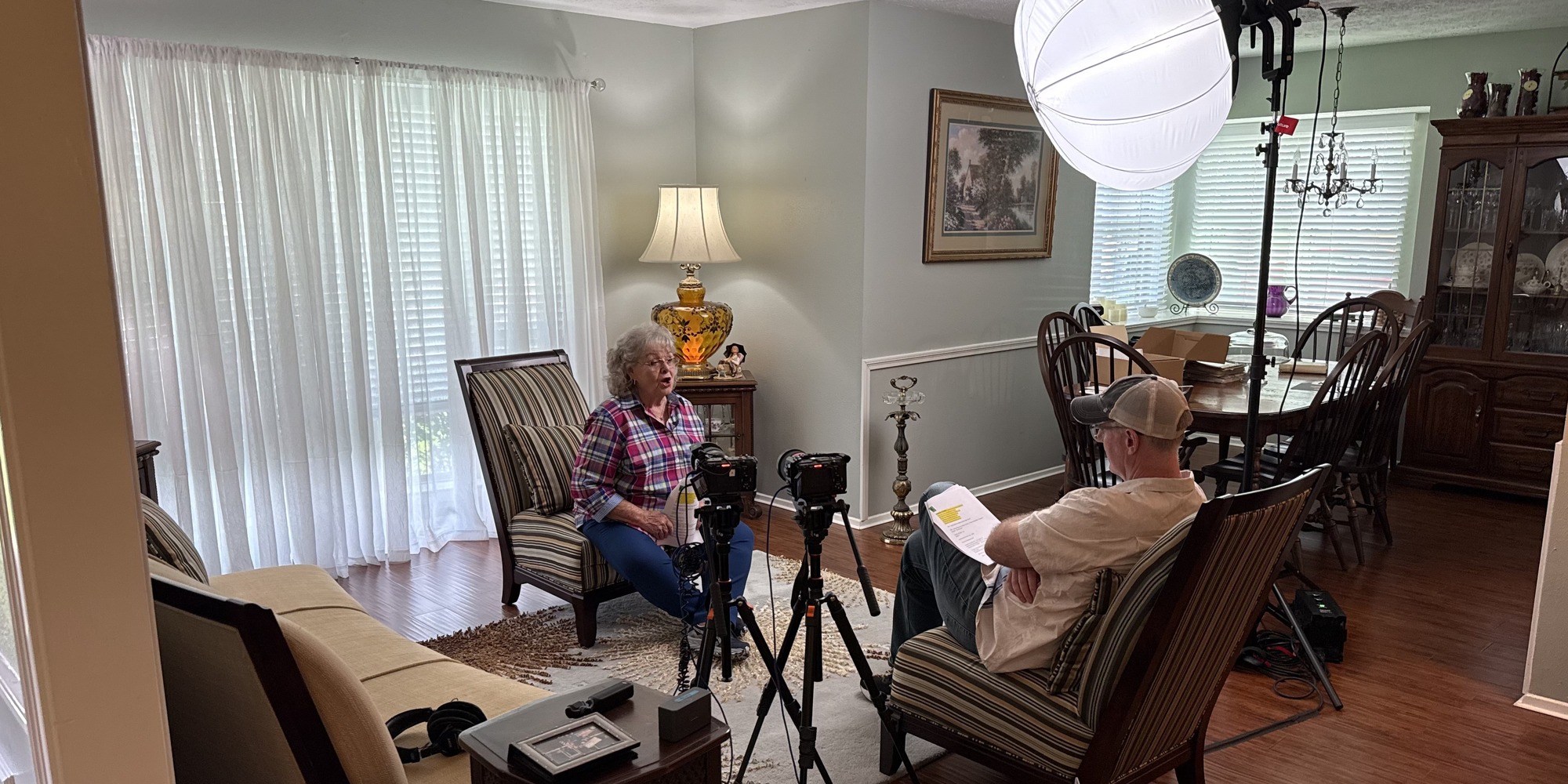
Which is absurd, because I literally interview people for a living. I sit across from strangers, sometimes in their homes, sometimes in studios, and within twenty minutes I have them telling me things they’ve never told their own children. I’m not bragging. It’s the job. Heritage Films requires that I get people to open up on camera, quickly, in a way that feels natural and safe. And I’m good at it.
Then I go to a dinner party and I’m the guy standing by the chips pretending to read the label on the salsa jar.
I’ve been thinking about why, and I think Duhigg actually nails it. In an interview, I always know which conversation I’m in. It’s emotional. Every time. The subject sits down, the camera rolls, and my entire job is to make them feel heard. I’m not solving a problem. I’m not debating. I’m listening with my full body, asking the next question based on what they just said (not what’s on my list), and creating a space where vulnerability feels safe.
I nail the emotional modality.
The problem is that real life is all three modes, constantly shifting, sometimes within the same sentence. Someone starts telling you about their kid’s football game (practical), then pivots to how guilty they feel about missing games (emotional), then makes a joke about being a terrible parent so you’ll tell them they’re not (social). And you have about half a second to figure out which thread to pull.
I pull the wrong one almost every time. I go practical when they want emotional. I go emotional when they want practical. I make it about the thing when they want it to be about them, or about them when they just wanted to know what time the movie starts.
In the interviews, I’m locked in. Outside of ’em, I’m a golden retriever at a chess tournament. Enthusiastic, present, completely lost.
I’m working on it. Duhigg’s framework helps. But there’s something funny about being able to get a 90-year-old war veteran to cry on camera and then fumbling a conversation about parking at Target.
At least I know which conversation I’m best at. And I’m lucky enough to do it for a living.
— Heritage Films produces personal documentary films across the United States. If someone in your family has a story worth keeping, we’d love to hear it.